Across cultures and centuries, people rarely thought of sleep paralysis as of a neutral bodily glitch. Instead, people tried to interpret it through the system of beliefs they already relied on to make sense of danger, mystery, and things they couldn’t see or explain.
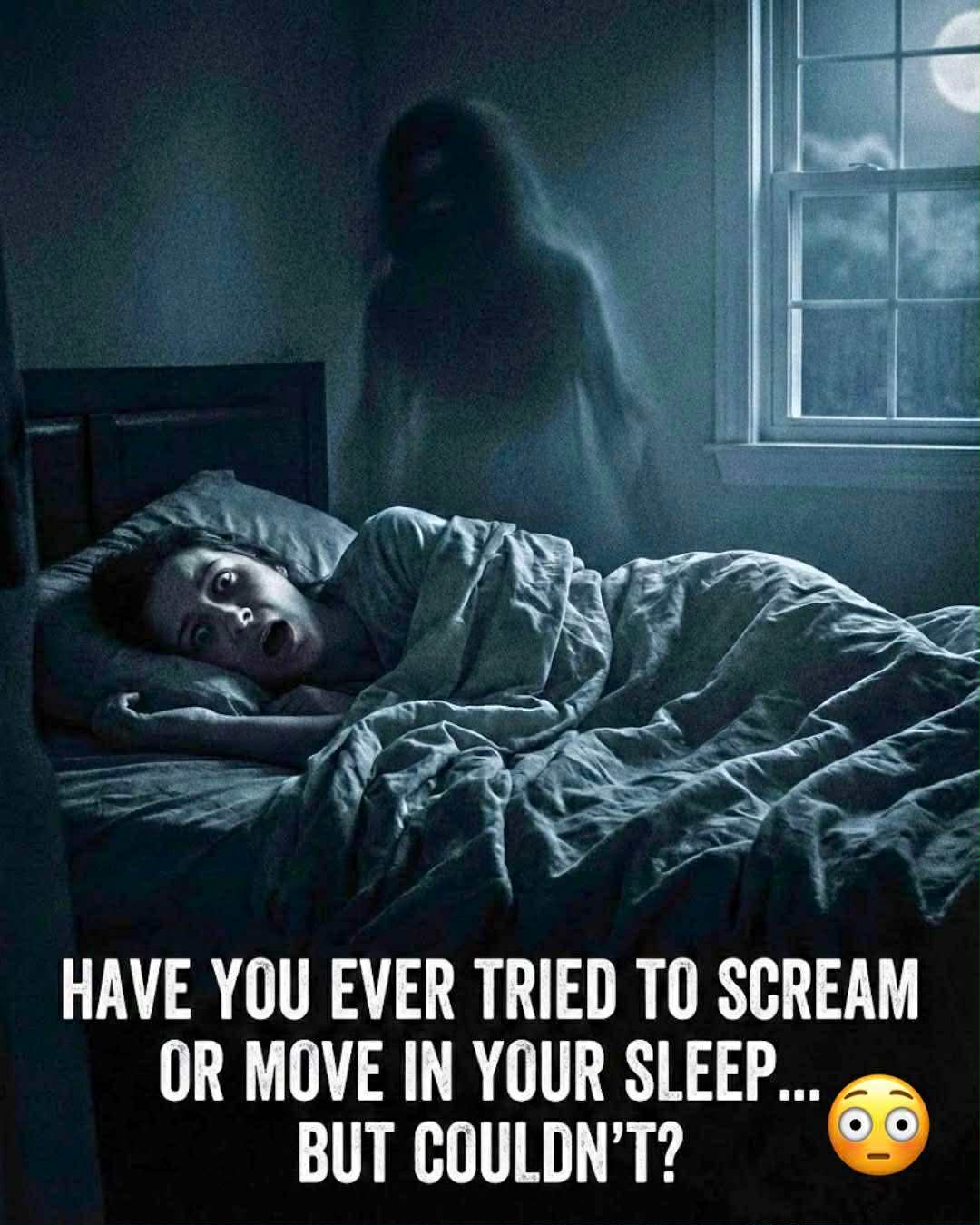
Before modern sleep science became available, this experience was just too intense to be written off as imagination. People would wake up fully aware but frozen in place, struggling to breathe, and feeling like someone or something was present in the room with them. It was then that they turned to their system of beliefs.

In medieval Europe, superstition and religion were simply a huge part of daily life, and this particular phenomenon became wrapped into tales of witches and demons. The feeling of being held down at night and unable to scream was taken as evidence that evil entities were visiting the person during sleep. Stories of the “night hag”—a dark, witch‑like figure that sat on people’s chests as they slept—were common in England, Scandinavia, and other regions of Europe.