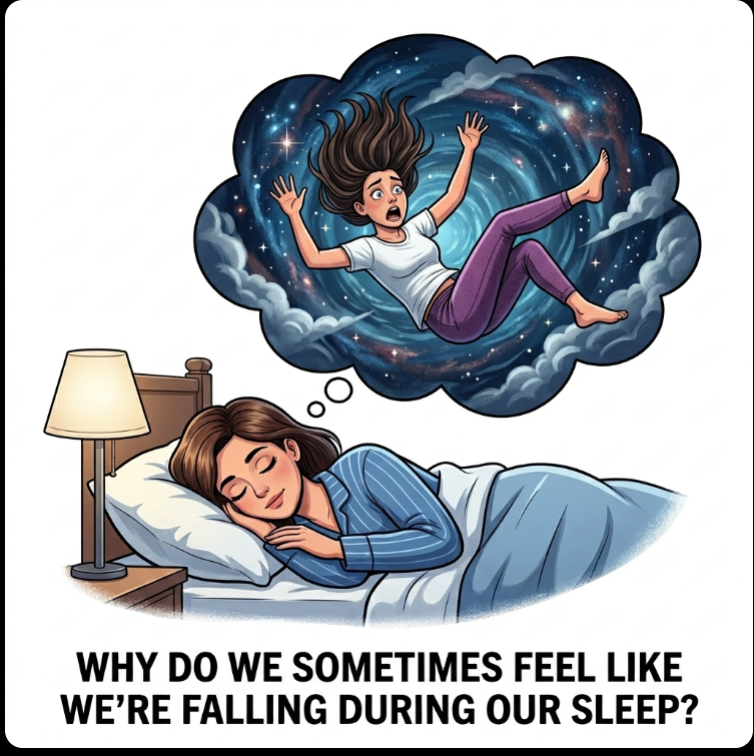
When you fall asleep, your whole body gradually slows down: breathing becomes calmer, heart rate slows down, muscles relax… in short, a true letting go.
But sometimes, this relaxation is so rapid that the brain interprets it as an imbalance, a bit like a fall. As a result, it sends a « wake-up » signal to the muscles, causing that famous jolt.
Another possibility: your body is simply adjusting to this change of pace. Much like when you brake suddenly in a car, it needs a brief moment to adapt.
The small, everyday factors that contribute to these sudden surges
While these jolts are natural, certain aspects of your daily life can make them more frequent.
Stress, for example, plays a key role. After a busy day, your mind remains alert while your body tries to relax. This disconnect can cause these unexpected reactions.
Another subtle factor: stimulant drinks consumed too late in the day. They keep your body awake longer than you might think.
Lack of sleep, irregular schedules, or exposure to screens before bed can also disrupt your ability to fall asleep.
How to get back to a more peaceful sleep?

Good news: a few simple adjustments can really make a difference.
- Start by establishing a calming evening routine. Reading, deep breathing, gentle stretching… these little rituals signal to your body that it’s time to slow down.
- Try to maintain a regular sleep schedule. Your body appreciates regularity, which makes it easier to fall asleep.
- Also, remember to limit screen time in the late afternoon and evening. The light they emit can disrupt your natural rhythm and delay sleep.
- Finally, moving around during the day helps you sleep better, provided you avoid overly intense activities just before bedtime.
Should we be worried?
In the vast majority of cases, these jolts are harmless. They are simply part of the natural process of falling asleep.
However, if they become very frequent or bothersome, it may be a sign that your body needs more rest or relaxation.
Taking care of your lifestyle is often the key to getting more peaceful nights.
What if this little startle was actually a sign that your body is simply doing its job… to help you drift into a restful sleep and a peaceful sleep ?